Followers

Wednesday, September 4, 2019

Why We Need to Talk About Der Steirische Brauch


                      Sechts Leuten ist Die Steirische Brach...

    If you happen to be around German-American Biergarten's chances are you have heard the song Der Steirische Brach (The Steirsche Custom) but did not know who made the folk-song famous? If you guessed Kern Baum then congrats, however in America some people will label folk-songs that are written and passed down as traditional rather than give credit to the actual artist who made the song popular. For both German and Austrian Americans, this becomes a problem when record companies or any company that capitalizes on a culture; imagine if profits for The Sound of Music went to the Von Trapp family instead of Roger's and Hammerstein! However because so much of Volksmusik and the musicians that make good music have been victims of over sanitation by the music industry in America; we forget about the real people who revive these old songs and want to talk about them. However, this problem is not only extended to Volksmusik but other genres of folk music. 

One time I saw a documentary on Netflix called The Lions Share which tells the true story about a Zulu man and his choir who got up to a microphone to sing what we now know as the song The Lion Sleeps Tonight
        
Just like Die Steiriche Brach is a Gstanzl about young men causing a ruckus in a bar, the original song Wemoweh is also a song of rebellion against oppressive rulers in Africa.

The Lion, The Lion
He Sleeps Tonight
But When He Wakes
He Will Wake Up
And Free Us All- The Original Lyrics of Wemoweh  

It saddens me that this young man and his choir's song is still written off as a traditional African song rather than lifted this man and his family out of poverty by giving him credit. Sadly just like this young man a lot of Volksmusikant have died without American audiences giving them credit to their music. The last member of Kern Baum, Sepp Kern passed away on June, 10th, 2010 which was the year I graduated High School not knowing about the group and their songs until now. I'm so proud of the Schneiderwirt Trio and their work at the Kern Baum Museum for sharing the legacy of Kern Baum with others. We still need to fight for folk-artist to have rights and for the traditional songs to be valued by these artists so that they do not die in the hands of sanitation and corporate power. 
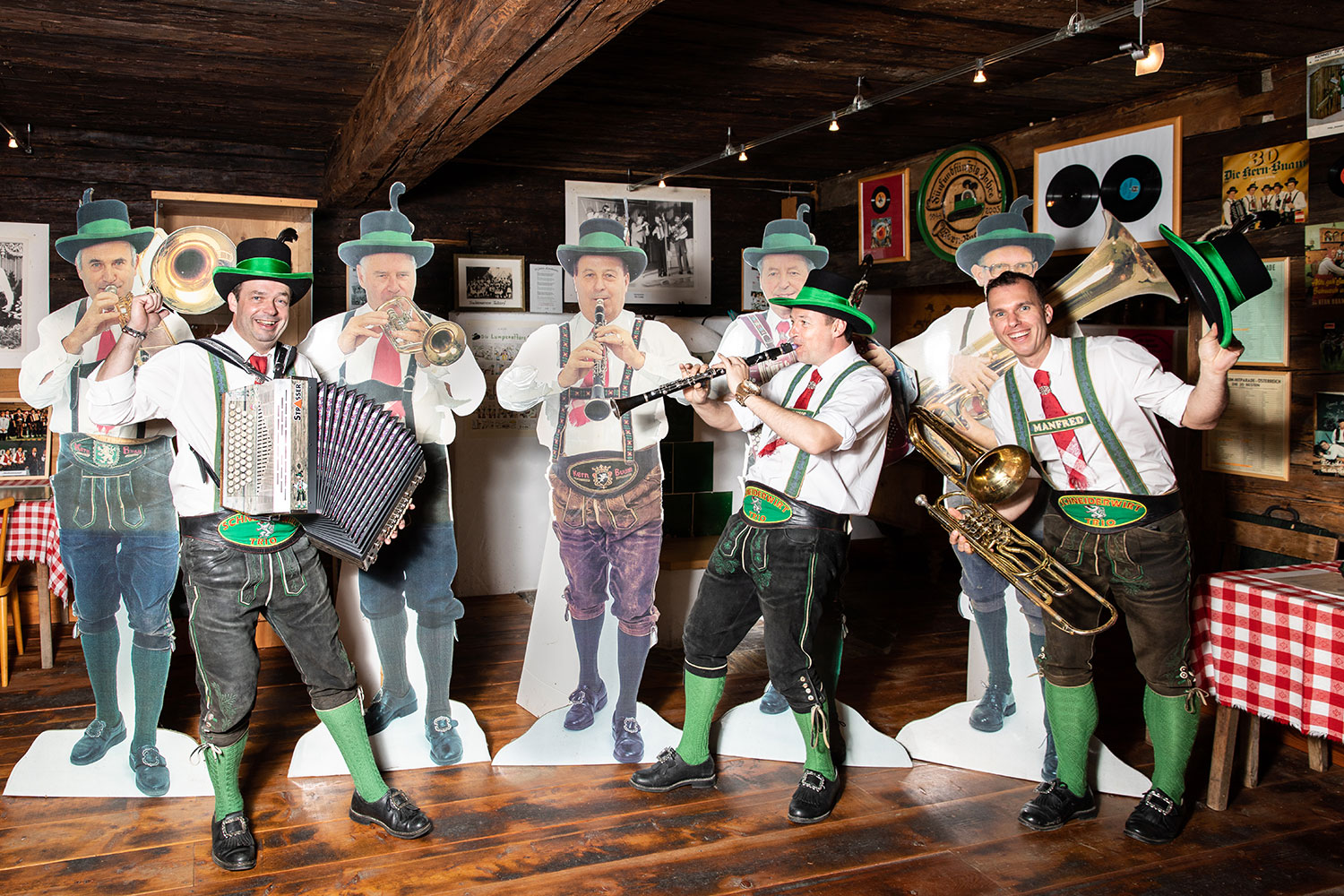
 Image result for kern buam museum   

Monday, June 17, 2019

Rocking with Kilts?


Image result for die lauser

Like rock music but think Volksmusik is something just your Oma and Opa listen to?
Meet the Volkmusik group Die Lauser....


They are funny, gritty, wear kilts, one guy plays bagpipes along with some other instruments and also their baritone player Marcus Ponhold has a wonderful voice!


This amazing group comes from the Steiermark in Austria along with another being Die Edlseer. Not only are their songs funny such as one about a Steinmann who gets in trouble in Dubai for playing his clarinet and jodeling, homages to their home, and have some bagpipes; but their instrumentals such as Milwaukee Polka are filled with joyful wildness and make one want to dance! They are also known for their covers and meddles of Slovenian artist Slavko Avsenik's, Kern Baum, Die Stoakoger, and even my favorite Die Original Tiroler Echo. From what I read on their website they have traveled all over the world (including Dubai...) and I hope as a German American I can enjoy them at the D.T.E Music Theater but for right now this summer.....it's Alice Cooper on July, 20th, 2019.


Es tud uns leid Die Lauser, Es tud uns leid......:(


Thursday, June 14, 2018

Is There Such a Thing as "Naughty Volksmusik"?


   Like Rock and Pop music which the genre of Schlager is based off on there have been times where some songs make us laugh and cringe over the naughty and inappropriate subject matter, and Volksmusik is no different. Remember the Alice Cooper song Cold Ethyl? Well it's German/Austrian cousin is a traditional song called Heut ist Mei Alte Gstorbn means in English My Old Lady Died Today and this song is meant to be a song involving Dead Body Humor since it's an upbeat song about a spouse dying and if you think Kern Baum has taken things too far then look at this cover...

Image result for kern buam
Ja Tat amal die Arbeit sterb'n  in English Yes Do the Dying Work
(Maybe a Good Idea for Alice Cooper's next album...)
   In fact, there is a sub-genre of Volksmusik called Witze (Joke) or Nix which means, "nothing" in English and why is it called Nix? Well imagine you have an Opa that gives you some money to buy any record...you hide the Nix Record in your Rucksack so he won't know until...

Opa: Wat are you hiding?
You: Uhhhh.....Nix...
Opa: Don't be a Dumkoff! Show mei wat you got at de record store?
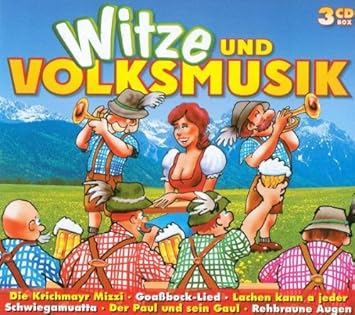
(You pull out this CD Box)

Related image

Opa: Alright where did you get these CDs! Dis is a cheap piece of krap voll of vulgar Witze und Songs!

  So buying these records, or CD's is no different than a middle school boy in the eighties buying a copy of National Lampoon and then his father catching him reading an inappropriate joke. In fact, this sub-genre is still alive and well today because of artists like Kern Baum, Hias, Beirmosl Blosn, and many others who were apart of the Volkmusik revival in the sixties. So while Laurence Welk and his buddy Myron Florian were doing their same old clean stick on television in America, people in Germany and Austria were revisiting Volksmusik and creating a new and diverse generation of singers and performers who created and combined Volkmusik with other genres of popular music including Rock which I will talk about in the next blog...         

Tuesday, May 15, 2018

Gstanzln: The Bavarian Art of Insults!


Image result for old bavarian man
 Hallo mei gute Freunde! Today this issue is going to talk about the Rap Battle's great Bavarian Opa the Gstanzl or, the Bavarian art of rhymes and insults. These songs of mockery are up to four or eight lines long and are sung in various dialects in Bavarian and Austrian-German. A person whose profession is to sing these songs without repeating a lyric is a Gstanzler, one man who makes his living doing this is a man whose stage name is Erapferkraut here is him doing his work... walking around and mocking people thru song!
    However when two or more people Gstanzl are Gstanzln, sometimes the object of this song-game is too take turns insulting each other, or a group insulting someone or something else until the whole group comes up with an insult so bad it makes everyone laugh or offended...One example is this clip of the humorist and accordionist Hias and singer and host Michael Hartl Gstanln each other live on television!


   So I ask all my fans of this blog to make their own Gstanzl in English-German dialect in the comments, I can't wait to see all of them and remember to be nice, or else you will end up like Biermosel Blosn! 

Thursday, May 10, 2018

How Did an American Frau Find Real Volksmusik in America?


Image result for melodien der berge-das beste cd
       My love of Volksmusik began when I was looking for music in a gift-shop in the town of       Frankenmuth, Michigan that would suit my needs as a tuba player. The first album on a CD that I found and still keep to this day was called Die Beste aus Melodien der Bergen basically songs that appeared on a popular travel/ music show in Austria what some of these regions call Volkstumliche Musik however I got it nonetheless...

    On the second track was a song by Ursprung Baum that did not sound like what Americans think of German or Austrian Folk Music, it sounded at first like Mexican Mariachi music without the trumpets and maracas. That was until I heard them singing in their Austro-Bavarian dialect one that is partly native to their home, Zillertal, Tirol, and that song were Don Camillo und Peppone. Another was an upbeat track by Die Hegel called Hallo, Servus mitenander and apparently, both Hallo and Servus are both greetings in Germany and Austria and miteinander means together which means the song is about Germans and Austrians singing and yodeling together.

 The next song Sens'n Boarischer by Original Tiroler Echo began the teenage-tuba-player-crush I had with their baritone player Helmut Mueringer...ist so handsome...When you get near the end of this folksy song you might wonder what the sharpening-knife-sound is? It's the sharpening of hay-cutting shears so that the hay-cutters can finish their work before the harvest, and store their hay to feed their livestock before the avalanche comes and yes it is an actual lyric in the song.
Music Video of Sens'n Boarischer

This next song I really liked for the jodeling and the chicken clucks in between and that song was an arrangement by Alm Zigeuner of a Bavarian Folk Song called Goassbeitbauernbuam. As it turns out the song is about two farmers insulting each other about whose goat's balls...are the biggest...you get the idea...A song like this one is part of a Bavarian song tradition called Gstanzln which I will discuss in my next post.

  That CD piqued my interest in Volksmusik so much that I started finding these artists on iTunes and on other CDs in Frankenmuth. One artist that I wish would be on their radar (please listen iTunes!) is a group of fantastic jodelers called Die 4 Holterbuam and one of their songs that I liked was on a Volksmusik Hitmix, however, my advice is to not buy hit mixes because you are only getting half the song. Sadly this led to getting their song Jodel du Amol on a pirated site which led to the crashing of my computer. This song is a fascinating one because it has different styles of jodeling all in one song, so here is one of their other songs Der Jodelerbua so please listen to their wonderful jodeling iTunes or else Ich Wutend mit iTunes!!!